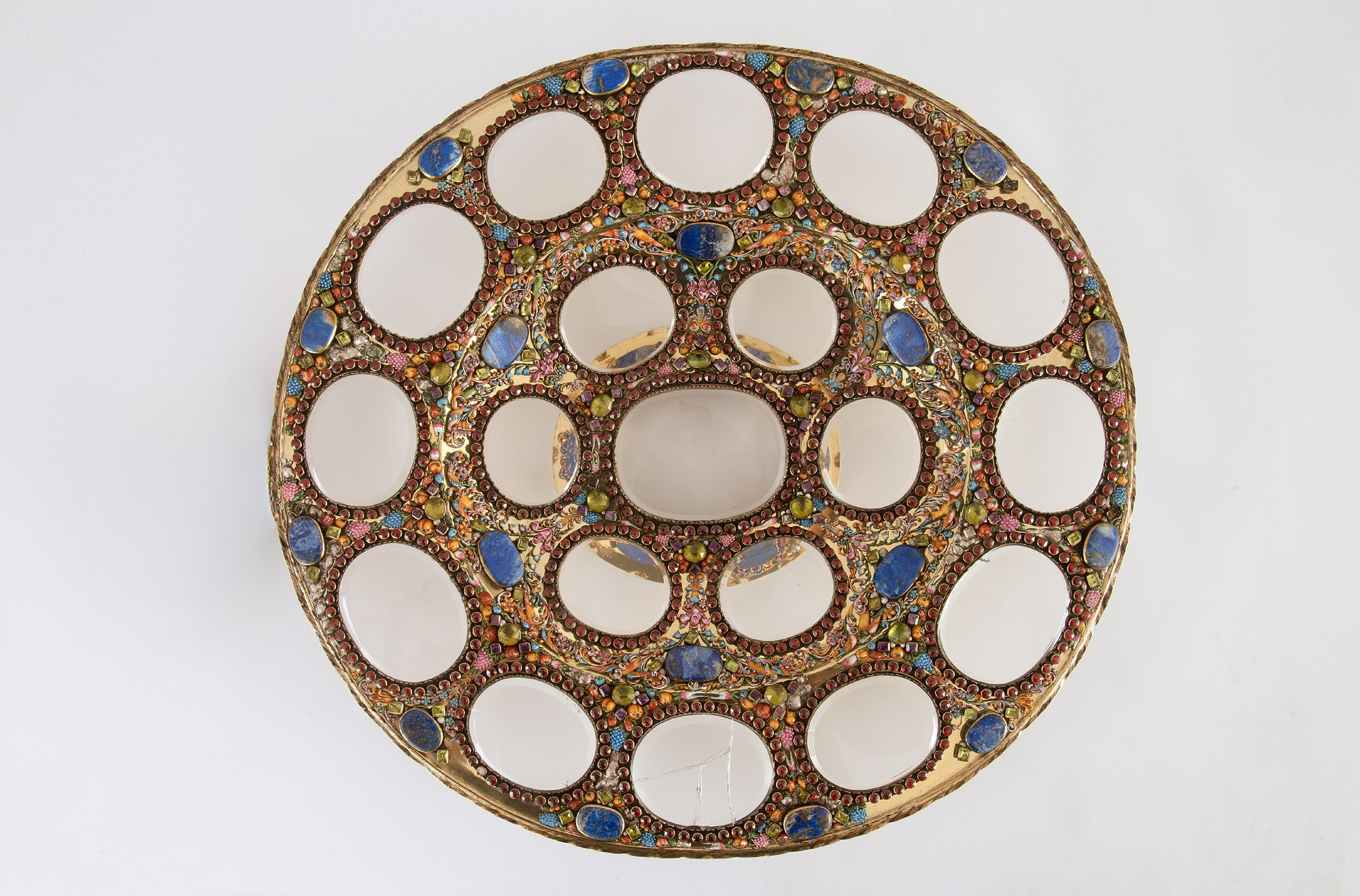
Presented on the first floor of the palace, the exhibition reveals the diversity and breadth of the collections amassed by the Potocki family, while also recalling the ideas that formed the foundation of the Wilanów Museum. The interior of the former Potocki Library has been reconstructed on the basis of preserved iconographic sources from the 19th and early 20th centuries.
The exhibition also commemorates the pioneering “Exhibition of Antiquities” of 1856, organised under the patronage of the Potocki family and bearing the characteristics of a social movement. Numerous Polish families and history enthusiasts contributed to its creation by making their collections available in order to evoke the memory of important moments in Polish history.
More than 700 of the most valuable objects from the Wilanów collection are on display, including paintings, furniture, sculptures, drawings, and works of decorative arts.
The exhibition forms part of the Museum’s long-term strategy focused on expanding and consolidating the collection, systematically restoring the palace interiors, and making them accessible to the public through narratives promoting knowledge of Polish history and culture.
Portraits of Ancestors and Galleries of Polish Kings
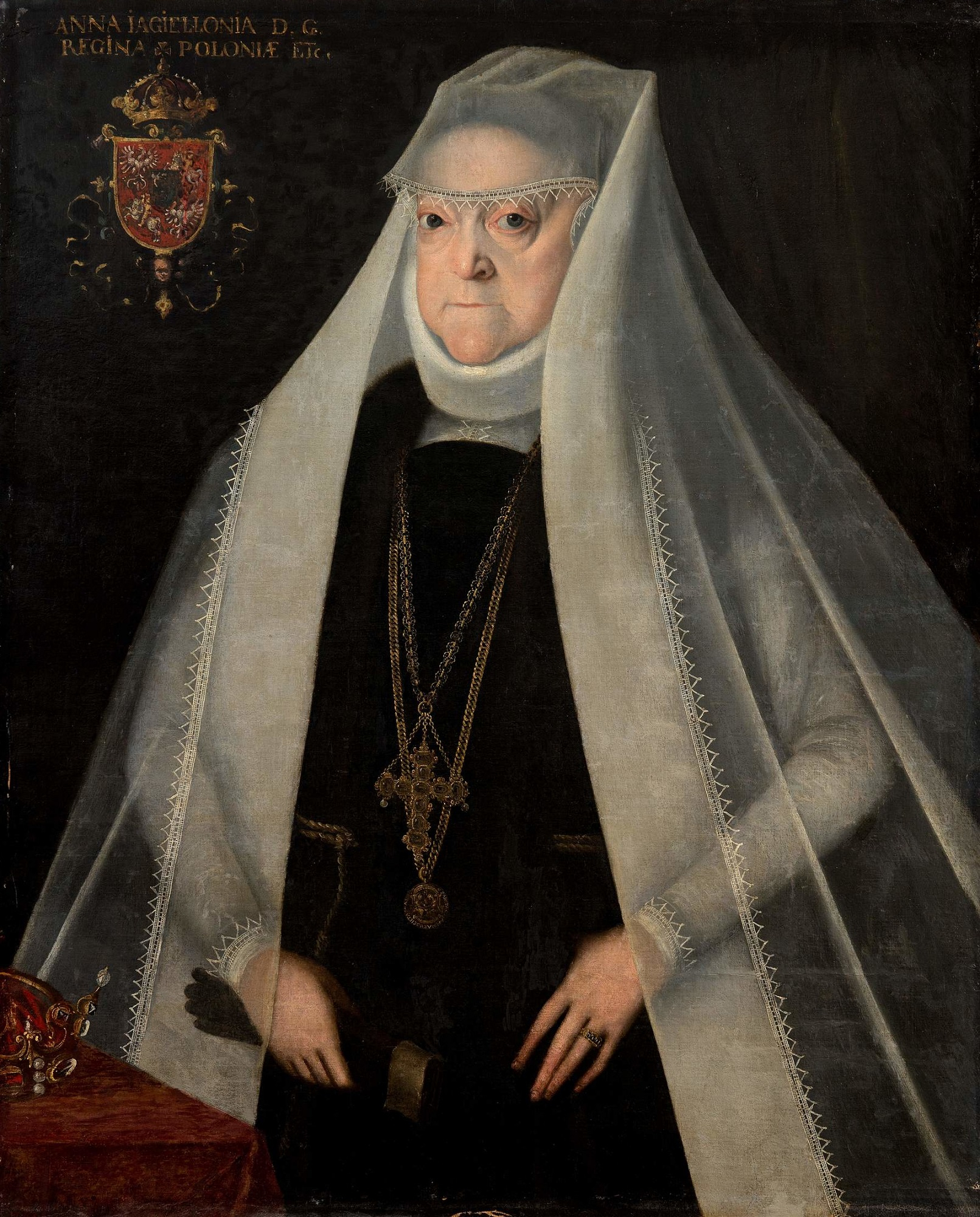
In former aristocratic residences, galleries of ancestors and portraits of rulers constituted an important element of interior decoration. Portraits adorned representative interiors and long palace corridors, preserving the memory of influential and distinguished family members. Due to the turmoil of war, these ensembles in the Wilanów collection are now considerably diminished. Nevertheless, the exhibition includes portraits of selected monarchs such as Stephen Báthory, John II Casimir, and Anna Jagiellon, as well as progenitors of families connected with the Wilanów residence, including the Sieniawski, Czartoryski, Lubomirski, and Potocki families.
Portraits of Enlightenment Figures
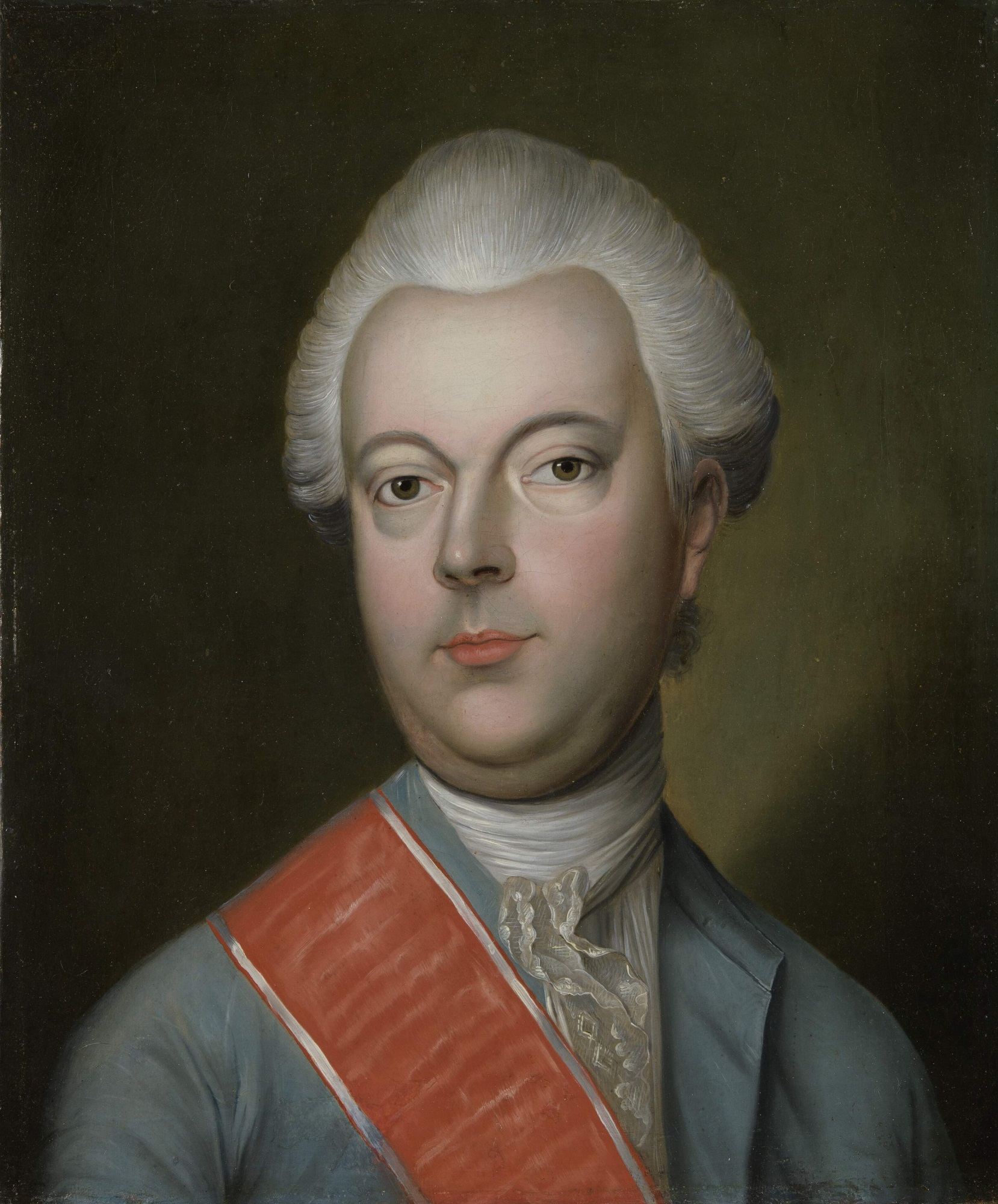
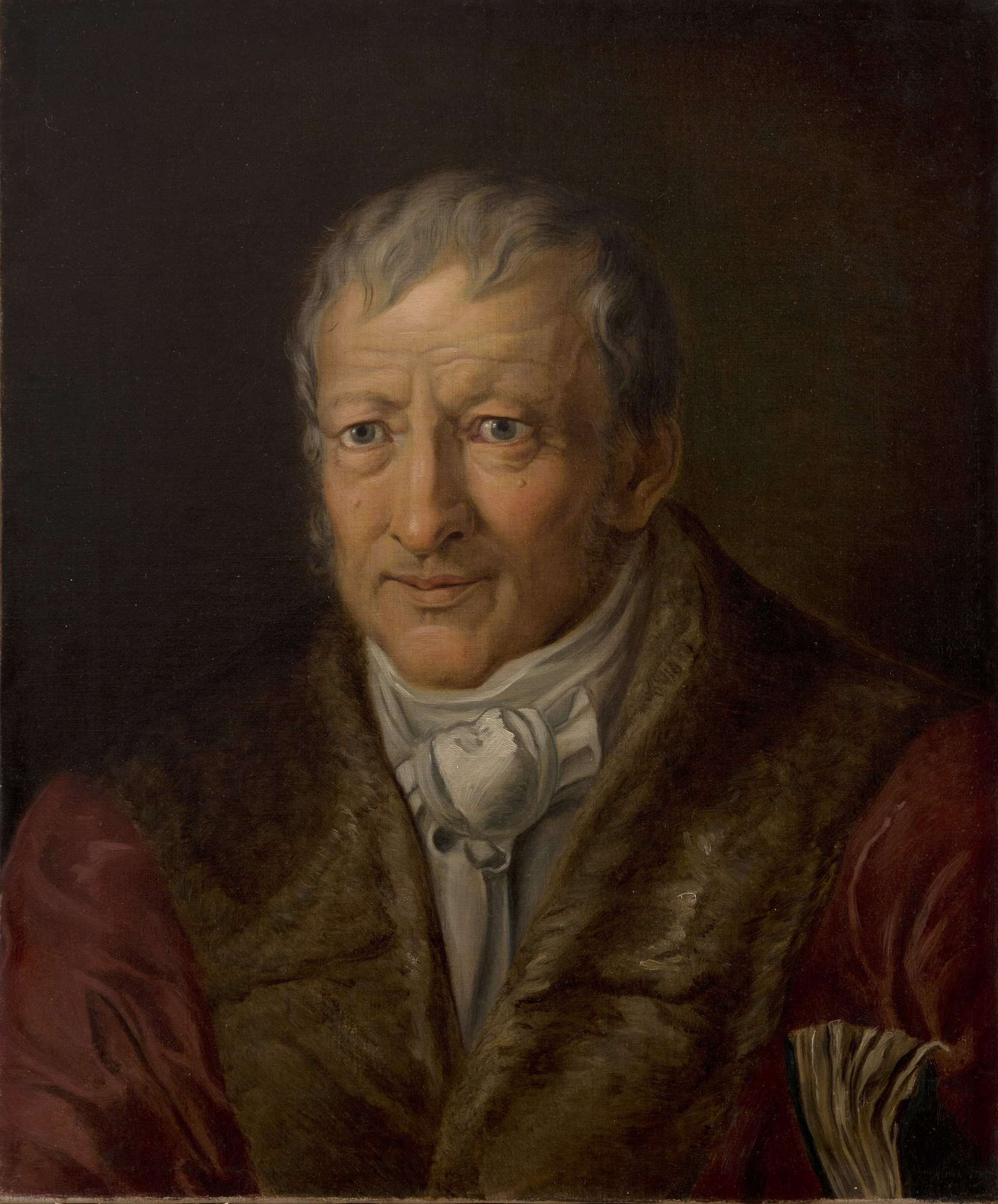
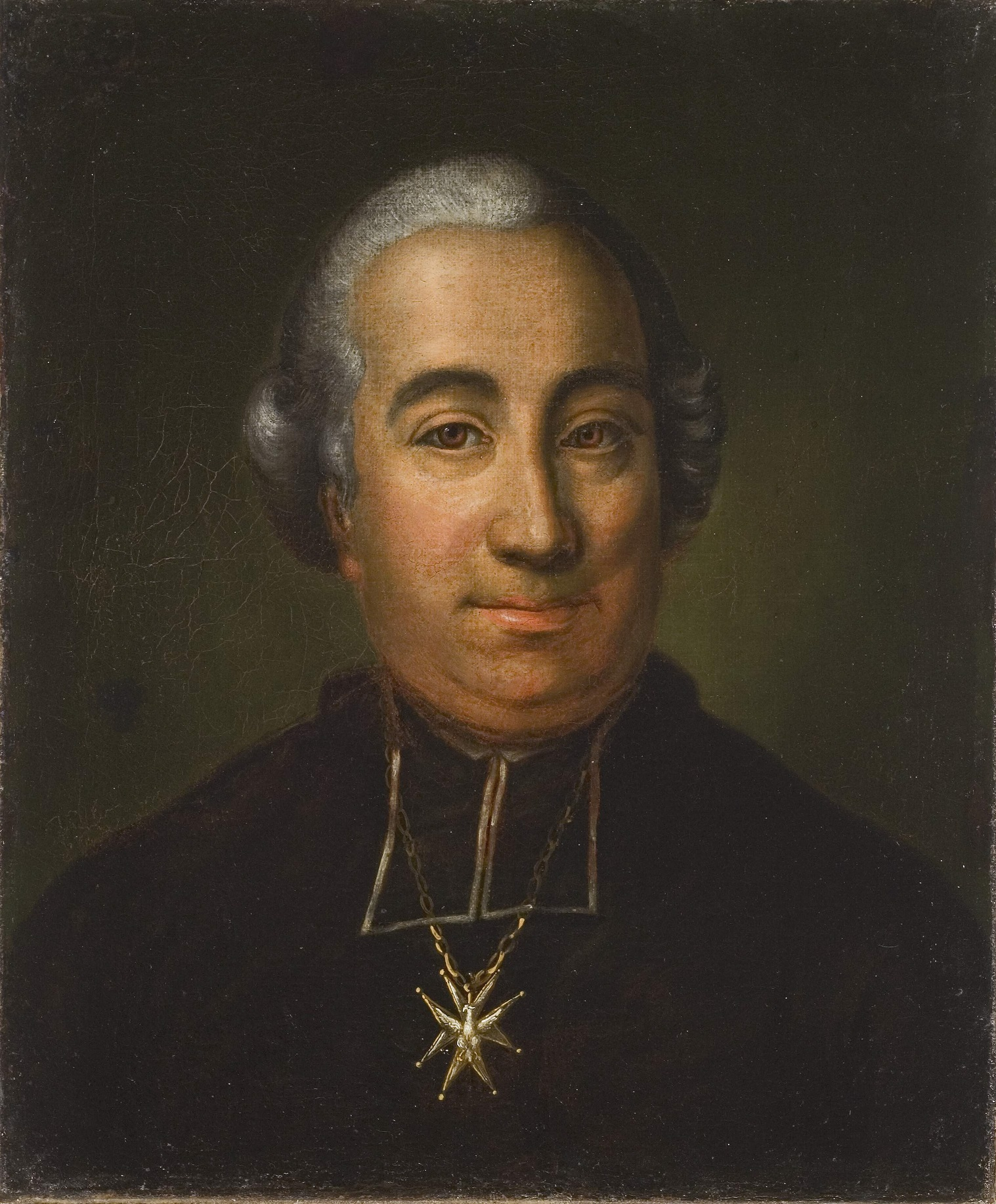
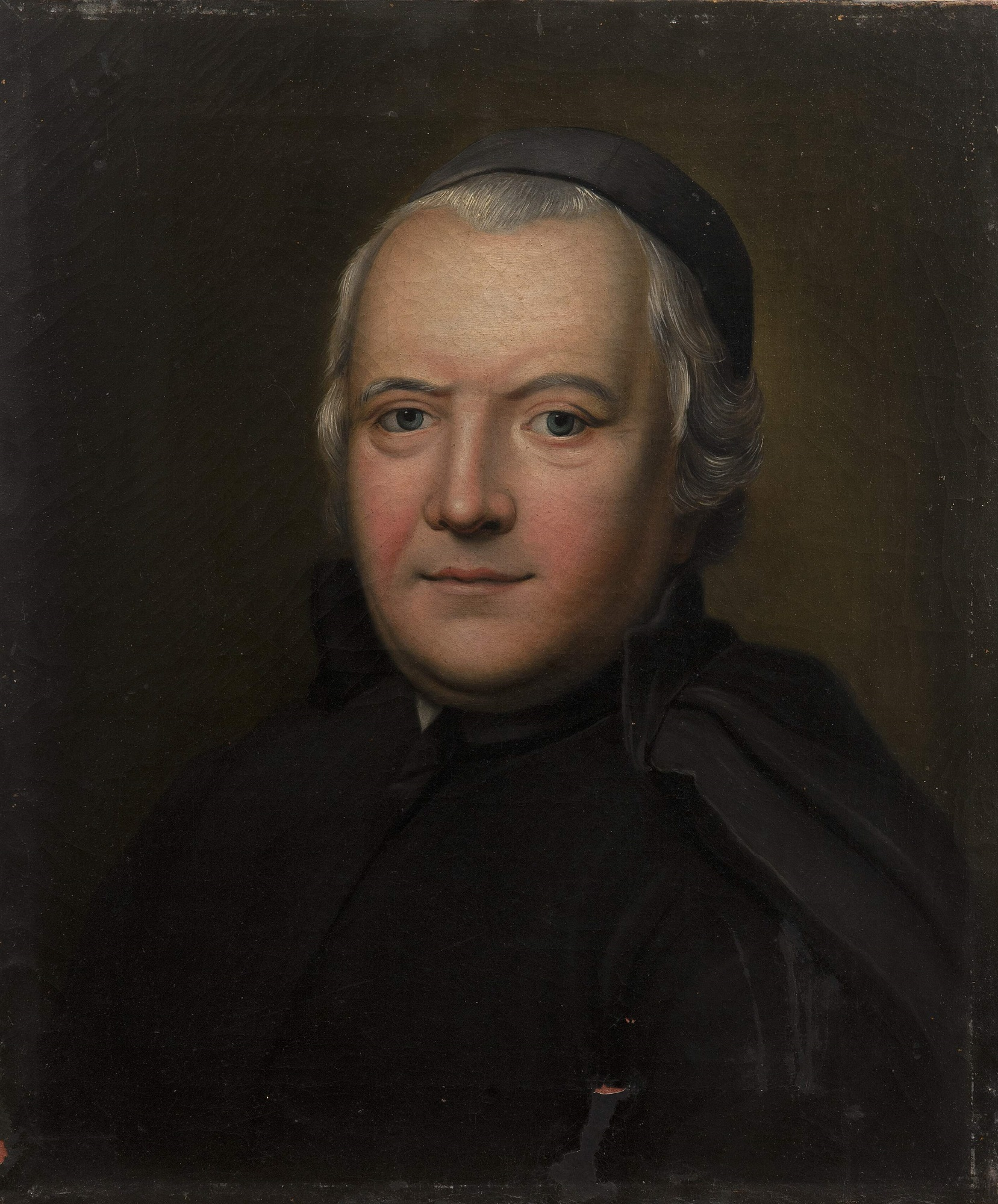
Thanks to preserved archival and iconographic sources, it is known that in the 19th century the Potocki Library contained a collection of portraits depicting Polish scholars of the Enlightenment period. Today, seven out of the eleven portraits listed in historical inventories have survived. These include portraits of Stanisław Konarski, Jan Chrzciciel Albertrandi, Grzegorz Piramowicz, Stanisław Trembecki, Jerzy Samuel Bandtkie, Jan Paweł Woronicz, and the recently recovered portrait of Bishop Adam Stanisław Naruszewicz.
-
Portrait of Stanisław Trembecki
 Polish painter, copy, 19th c.
-
Portait of Jerzy Samuel Bandtkie
 Leopold Pleess after Rafał Hadziewicz, 1856
-
Portrait of Grzegorz Piramowicz
 Polish painter, before 1797
-
Portrait of Stanisław Konarski
 unknown painter, copy, 19th c.
Monument Reductions, Busts, Figures, and Medallions from the Karol Minter Factory
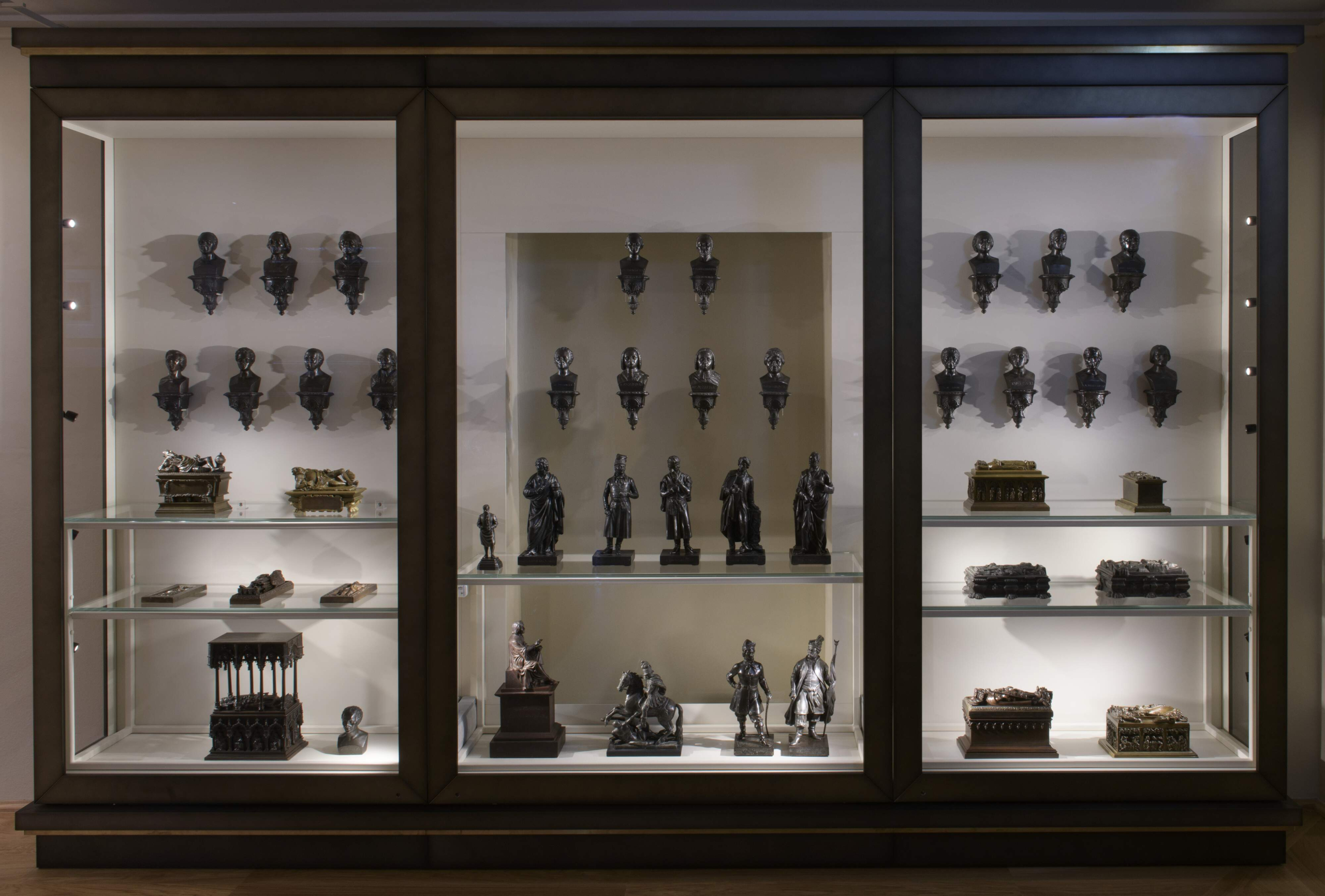
The Warsaw factory of Karol Minter played a particularly important role in this type of production. Its most popular creations included bronze and zinc reductions of monuments to Polish kings and princes, as well as representations of distinguished Poles — both historical figures and contemporaries of the artists — depicted in medallions and busts. These so-called “national souvenirs” constituted a form of salon decorative art imbued with patriotic meaning.
The reduction models were created according to designs by prominent architects and sculptors collaborating with the Minter factory, including Leonard Marconi, Bolesław Paweł Podczaszyński, Daniel Zalewski, Jakub Tatarkiewicz, and Wojciech Święcki.
The Print and Drawing Cabinet
Only a small portion of the once extensive print collection has survived in the Wilanów holdings to the present day. This makes the remaining works all the more valuable, especially those forming thematically important and visually compelling series.
Due to conservation requirements concerning works on paper, the display is presented on a rotational basis. The presentation opens with the remarkable print series “The November Uprising” by Jan Feliks Piwarski and Fryderyk Krzysztof Dietrich. Subsequent displays feature graphic reproductions of works by Jacques-Louis David, followed by maps of the territories of the Polish–Lithuanian Commonwealth.
The Iconography Cabinet
In 1877, on the initiative of Aleksandra Potocka, the first popular scholarly publication devoted to the Wilanów residence was published: the monumental work Willanów. Album widoków i pamiątek… (Willanów. Album of Views and Memorabilia…) by Henryk Skimborowicz and Wojciech Gerson.
Reprints of this album, together with the collected nineteenth- and twentieth-century iconographic documentation, illustrate changes taking place both within the palace interiors and in the surrounding estate.
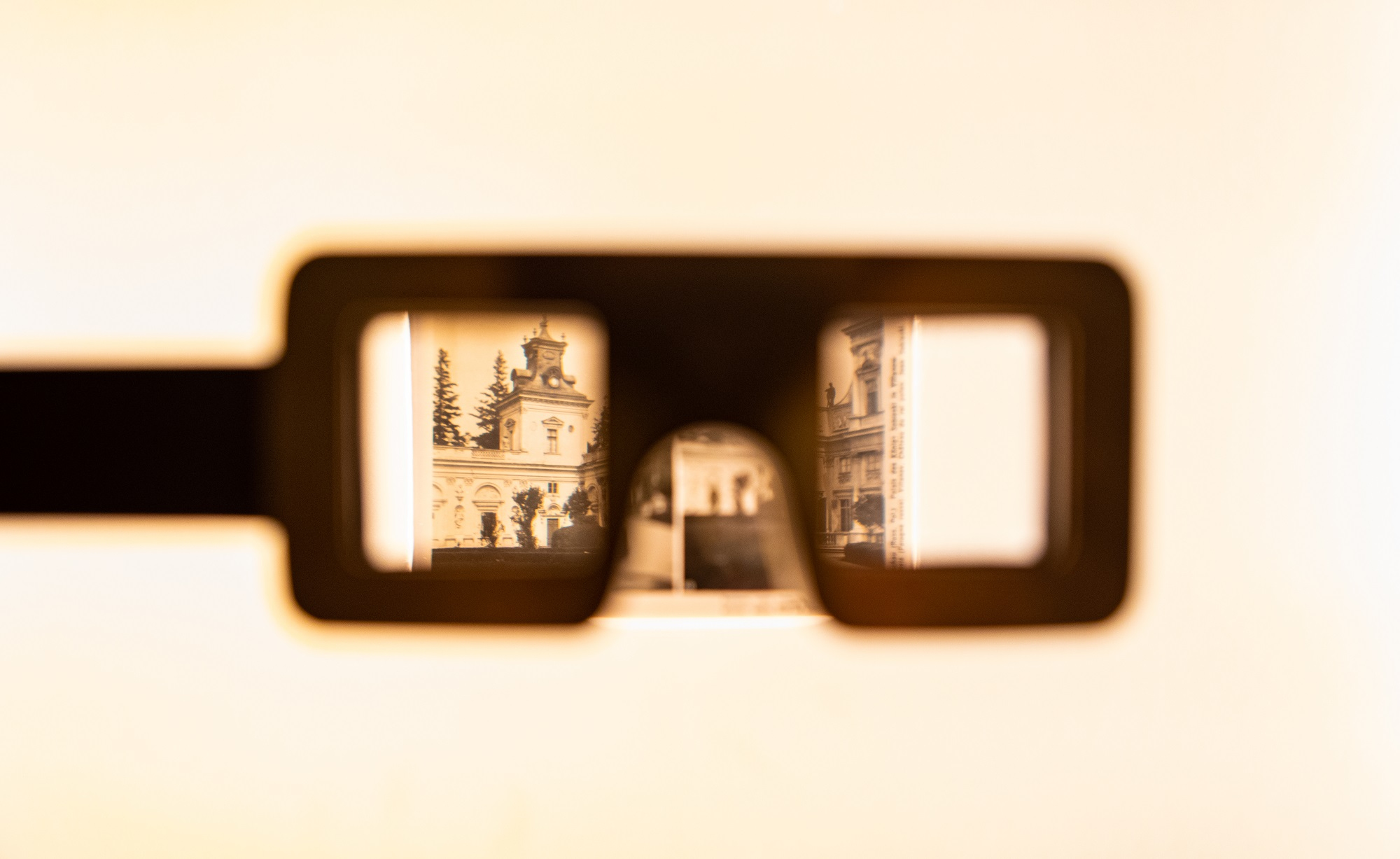
One of the highlights of the exhibition is a display case containing unusual stereoscopic postcards — prototypes of 3D technology. The collection preserves six original postcards that allow visitors to experience historical Wilanów in almost three dimensions.
Objects Presented at the First “Exhibition of Antiquities”
In the summer of 1856, the “Exhibition of Antiquities” opened at the Potocki Palace on Krakowskie Przedmieście in Warsaw. Thanks to the initiative of August and Aleksandra Potocki, as well as the Warsaw scholarly community, the palace opened its doors to visitors interested in treasures connected with the history of the Polish–Lithuanian Commonwealth and European culture.
This pioneering exhibition became the inspiration for the creation of a new display at the Wilanów Palace. To this day, Wilanów preserves 124 objects out of the 241 exhibited by the Potocki family during the “Exhibition of Antiquities”. These are among the most valuable examples of decorative arts preserved in the palace collection.